A little hill.
A lot of possibility.

Build a place people love to ski. Learn what to add, what to watch, and how one good day becomes a thriving mountain.

For game version 1.1.0

Your first goal?
A good ski day.

You don’t need a huge resort on day one. You need a complete trip that works.

Just want to build? In Build the Mountain, you place the lifts, trails and village. Your crew handles the daily operating calls and talent choices.

You are reopening a New England ski hill. Start small: a working lift, a usable way down, and enough cash to run tomorrow.

  1. Pause and look around. Find the base, the gentle terrain and a sensible return route.
  2. Make a complete trip. Place the bottom and top of a lift. Check that guests can reach it and ski back on connected, snow-covered terrain.
  3. Let guests try it. Watch a skier and inspect a queue. You can build while paused or while the day runs.
  4. Read the close. In Simple, read the night recap’s satisfaction and operating result. Improve that before expanding again.

Named runs are optional. Use Lay out a run when you want to name, sign or manage a particular trail.

A place for every part of the day.

Start with a need, then choose a building. Open a card to see when it helps and what to watch. Try the village looks below to preview café and restaurant themes.

14 building cards

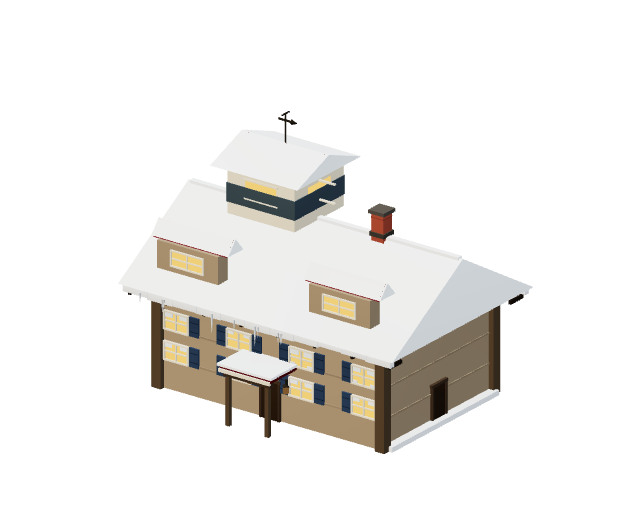
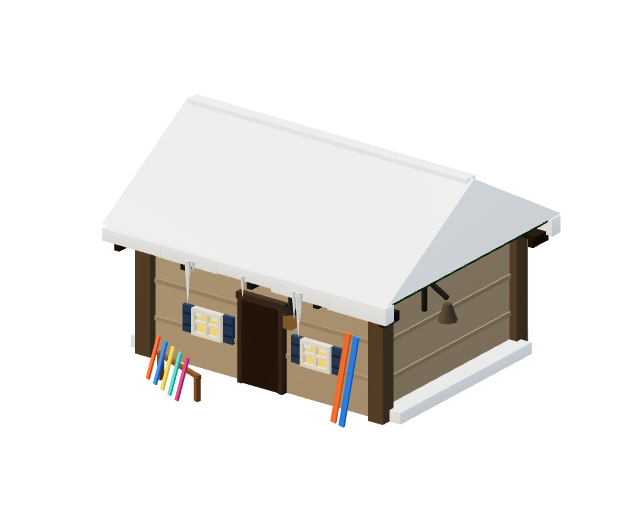
The lodge model from the game

The lodge

Make the whole village work harder

Is this right for my hill?
Build or upgrade when

You have working services and want to strengthen them together.

What it changes

Upgrades improve arrival mood, dining capacity, spending, rentals and lesson uptake. The lodge is already part of your hill.

Watch for

It still needs useful, reachable venues. Leave cash for daily costs.

Compare lodge upgrades →
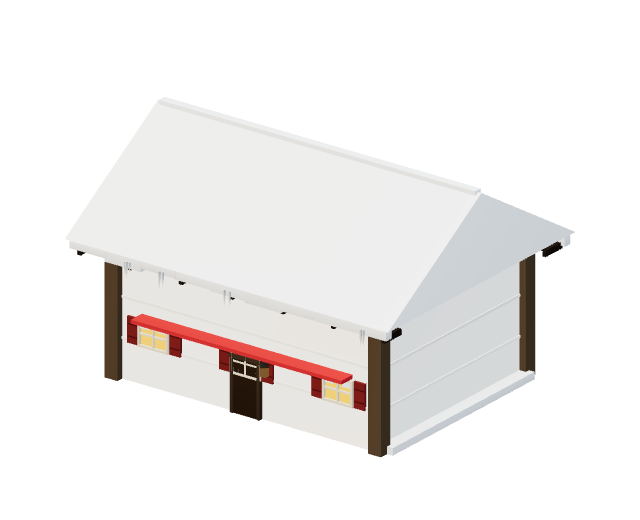
Cafe model from the game

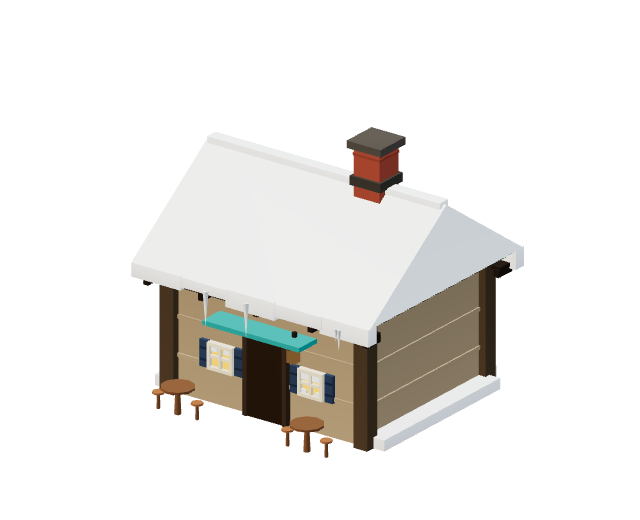
Cafe

A quick warm-up between runs

Is this right for my hill?
Build or upgrade when

Guests need a short meal and rest stop at the base.

What it changes

Quick service keeps guests moving. Choose a menu that suits your crowd.

Watch for

Check customers and contribution before adding another kitchen.

How venues work →
Restaurant model from the game

Restaurant

A longer lunch, more spending

Is this right for my hill?
Build or upgrade when

Your base has enough meal traffic to support a larger food business.

What it changes

Meals restore energy and can improve the visit. Concepts trade speed, capacity and spending.

Watch for

A long meal takes time away from skiing. Empty seats are a reason to wait.

Menus and upgrades →
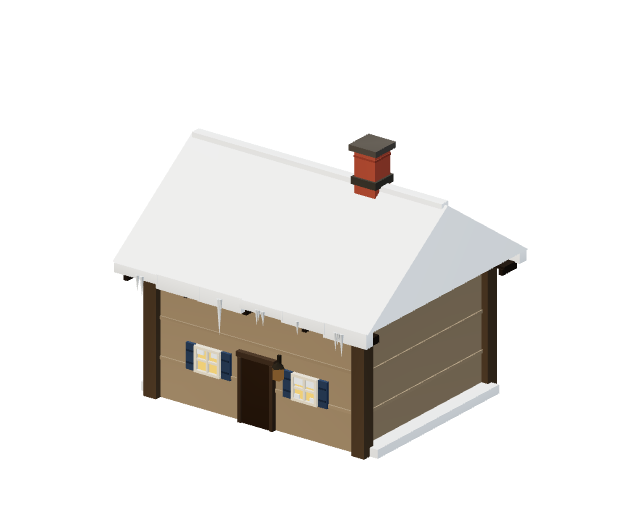
Chalet model from the game

Chalet

A stop along the descent

Is this right for my hill?
Build or upgrade when

Skiers travel past a useful mid-mountain resting place.

What it changes

Food and rest are available without a trip all the way to the village.

Watch for

Placement matters. Guests have to pass nearby and choose to stop.

Plan a useful route →
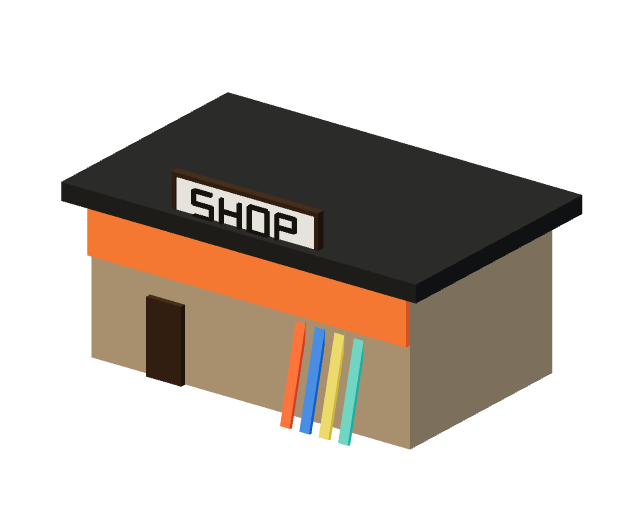
Shop model from the game

Shop

Equip your guests

Is this right for my hill?
Build or upgrade when

You want rentals and a retail business along the arrival route.

What it changes

Rental guests visit a shop on their way in. Shops talents add equipment lines, tunes and reasons to return.

Watch for

The shop records the rental payment; visiting it does not charge twice.

Explore Shops talents →
Ski school model from the game

Ski school

Turn first turns into regulars

Is this right for my hill?
Build or upgrade when

You have suitable terrain and can support instructors.

What it changes

Lessons develop beginners and returning learners. The school also supports Park and Backcountry talent paths.

Watch for

A building alone is not lesson capacity. Check instructors, seats and completed lessons.

Explore People talents →
Ice rink model from the game

Ice rink

Another kind of fun at the base

Is this right for my hill?
Build or upgrade when

You want an activity alongside skiing.

What it changes

Skating adds leisure visits and satisfaction. Nights talents can add shows and pond hockey.

Watch for

Leisure is different from rest. Skating does not refill skiing energy.

Explore Nights talents →
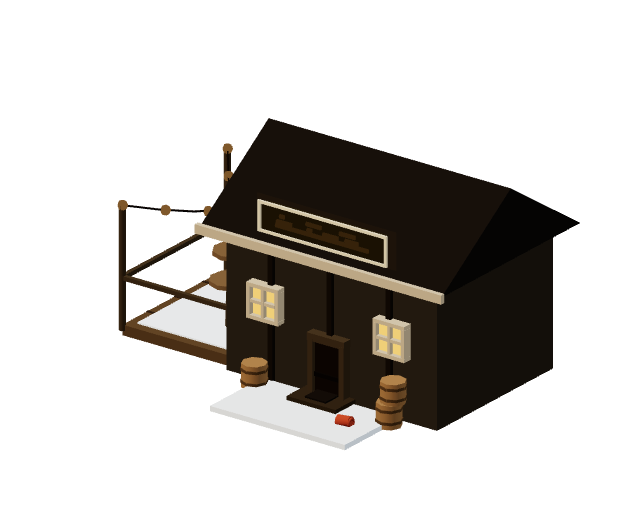
Bar model from the game

Bar

One more stop before home

Is this right for my hill?
Build or upgrade when

Your afternoon crowd can support an après venue.

What it changes

Departing guests can stop for a drink. A concept, a band and Nights talents give it a distinct role.

Watch for

Hours and departing traffic matter. It does not replace a lunch kitchen.

Understand après →
Lounge model from the game

Lounge

A more upscale après stop

Is this right for my hill?
Build or upgrade when

Guests have the budget and time for a higher-value farewell.

What it changes

A lounge serves the later part of the visit and can host music.

Watch for

Compare spending, seats and staff cost with the crowd you actually have.

Read a business result →
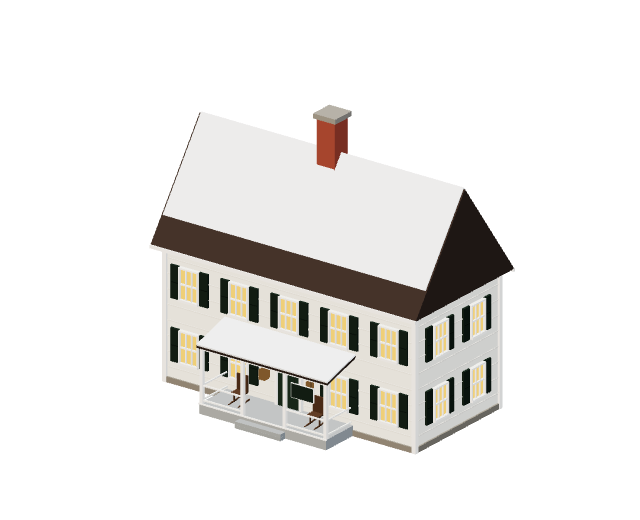
Inn model from the game

Inn

Make room for an overnight stay

Is this right for my hill?
Build or upgrade when

Guests want rooms and your mountain can support lodging.

What it changes

Room rates and available rooms determine bookings. Wings expand capacity; optional s’mores add to the stay.

Watch for

Check vacancies and guests priced out before raising rates or adding rooms.

Village businesses →
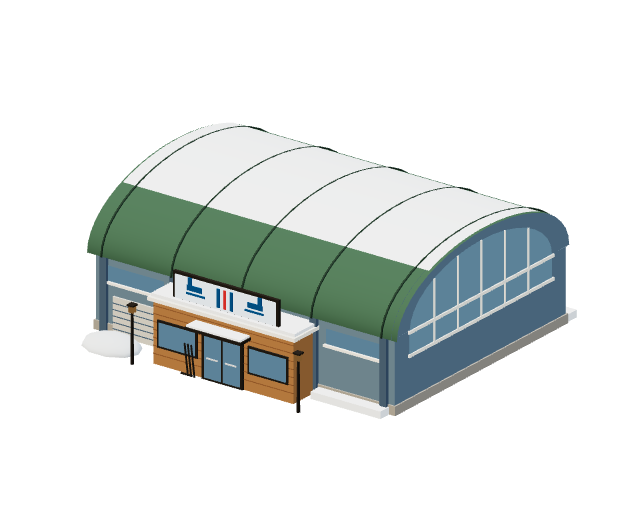
The Arena model from the game

The Arena

Take the ice indoors

Is this right for my hill?
Build or upgrade when

You have learned The Arena through the Nights branch.

What it changes

A covered rink expands your base activities. Skating Club or Pond Hockey is the talent prerequisite.

Watch for

The talent opens the option. You still need to build and operate the venue.

See the talent path →
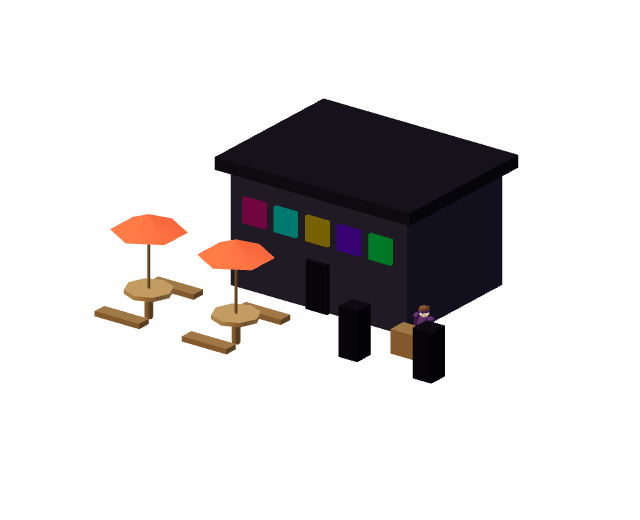
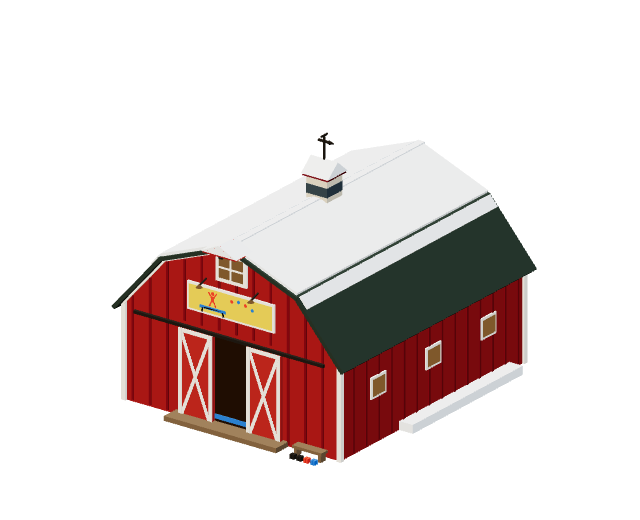
Trampoline Barn model from the game

Trampoline Barn

A new stop for park skiers

Is this right for my hill?
Build or upgrade when

You have learned Trampoline Barn and want a park identity.

What it changes

An indoor training venue complements the park and belongs to the Park Academy set.

Watch for

The talent point and the building are separate investments.

See the talent path →
Snow guns model from the game

Snow guns

Protect the snow you rely on

Is this right for my hill?
Build or upgrade when

Useful terrain is losing cover or the cleared mountain has outgrown your fleet.

What it changes

Guns extend snowmaking reach. Intensity changes output inside that reach.

Watch for

More intensity does not cover more land. Check coverage and temperatures.

Snowmaking explained →
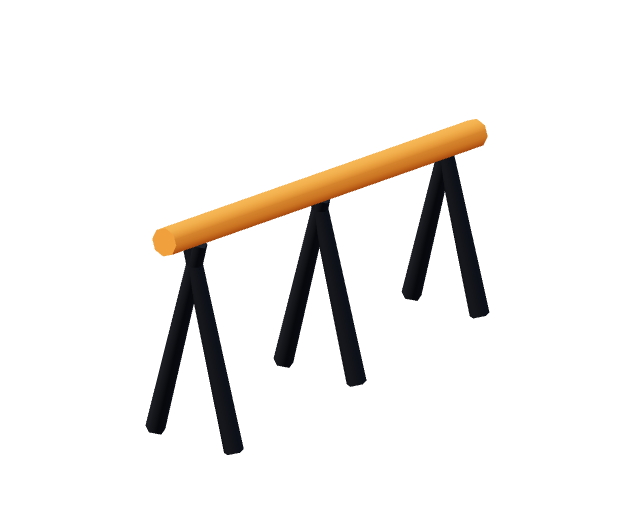
Terrain park model from the game

Terrain park

Give freestyle skiers a reason to lap

Is this right for my hill?
Build or upgrade when

You can place features on accessible, snow-covered terrain.

What it changes

Jumps, rails, boxes and pipes add usable variety. People talents develop classes, tricks and events.

Watch for

Park Shaping needs two features. Rail Jam needs a rail or box.

Explore Park talents →

Models from the game. Colors and details vary. The build menu shows your current prices and availability.

Before you place anything

Build to solve a need you can see. Long queues call for a transport check. Full meal venues may need more seats. Thin cover calls for a snowmaking check. More buildings bring more costs as well as possibilities.

Use the illustrated cards to compare a building’s job, when it helps and what can hold it back. The in-game placement preview is the final guide to where it fits and what it costs.

Keep the drop-off apron, village street and reserved Nordic ground clear. The move tool can relocate many objects; demolition returns only part of the investment.

Picture your village.

A chowder stop, a bakery, a warm room after the last chair. Try the looks below and see how a few buildings change the feel of your hill.

Try a different café.

Reliable diner food. Nobody's ever been let down by the chowder.

Playing Simple? Your crew chooses the menus. Tap a venue in the game to see what it serves.

Playing Build and Run? You choose from the concepts available to your hill. Converting an existing venue can cost money.

These are previews of the game’s models. This does not change your save; talent requirements still apply in the game.

Satisfaction is a whole day.

A guest remembers more than the last run. Follow the visit to see what helps, what hurts and where to look.

Finding this on iPhone

Simple: tap a skier for their mood, read the night recap, or go to Hill Office → Home → Last night’s report. A venue’s own card shows its activity. Simple does not expose the full live dining and satisfaction breakdown.

Build and Run: the Report tab adds the live Guest mood and cause breakdown, including Venues and dining. It appears after guests arrive and is unavailable in Daily Challenge.

1

First impressions

The lodge and Village Character affect mood on arrival. Ticket value matters too.

Try this: In Simple, tap a skier for mood and check the night recap. Build and Run’s Report adds the arrival breakdown.

Read more →
Satisfaction, reputation and Village Character: what’s the difference?

Satisfaction is how a guest feels about the visit. Arrival mood, ticket value, crowding, queues, runs, snow, falls, patrol, lessons, activities and venues all contribute. One good cafe cannot erase every problem on the mountain.

Select a skier to see their mood. In Simple on iPhone, use the night recap or Hill Office → Home → Last night’s report for the day’s result and main cause. The full live breakdown, including Venues and dining, is in Build and Run’s Report tab. Simple hides that tab. Improve one problem and let another day run before judging the change.

Reputation is the longer view. Good visits help the hill earn a following and returning regulars. Village Character is another ingredient: venue variety, decor, surfacing, grades and lodge tier shape it, and it influences mood on arrival. These are related measures, not interchangeable scores.

A better lodge lifts the village.

It makes existing services more useful. Compare the tiers before committing your cash.

Lodge model, representative of upgraded tiersUpgraded lodge · appearance gains details by tier

Step 1 of 3

Base Lodge

$125,000 base upgrade price from the previous tier

Arrival satisfaction
+3 points
Dining & après seats
+15%
Dining & après revenue per visit
+10%
Demand before arrival limits
+3%

These are total bonuses at this tier compared with the Warming Hut, not an extra bonus added on top of each earlier tier.

When is the upgrade worth it?

Your lodge starts as a Warming Hut. Upgrading it strengthens the businesses and services you have: better arrival mood, more dining and après seats, higher spending, more rental demand and more lesson uptake.

Upgrade a working village. If your food venues are empty or your lifts cannot support more guests, solve that first. Demand bonuses apply before arrival limits, so a larger lodge does not guarantee that many more visitors.

The base upgrade prices are $125,000 for Base Lodge, $225,000 for Mountain Lodge and $400,000 for Grand Lodge. They are successive purchases, totaling $750,000 before any pricing modifiers. The game shows your actual quote.

Lodge upgrades do not unlock ski school, venue concepts, rental tiers or venue grades. Those have their own requirements. Concierge referrals send eligible lodge guests to operating venues; the lodge’s attributed sales are part of your sales, not a second cash payment.

Small improvements. A bigger career.

1

Run a hill people use

Visits, lessons, races and other accomplishments earn experience. Useful activity grows your career.

2

Learn something new

Spend shared points across Mountain, Village and People, or let your crew choose in Build the Mountain.

3

Carry it forward

Talents follow you to the next hill. Build the facilities they need and work toward themed sets and branch ultimates.

70 talents. What will you grow into?

See what your crew can learn next in Simple, or try your own plan for Build and Run.

Explore the talent trees →
Points, crew choices and older careers

The Playbook opens on career day one. Guests using the mountain and completing activities earn career experience. Level 1 begins with a starter point. Each later level adds a point to a shared pool, up to 70 points. Your career can rise one level per night. Learned talents travel between hills.

The current Playbook has 70 one-point talents in Mountain, Village and People. Each tree has three branches. Follow prerequisites, check any required facilities, and build toward an ultimate or a themed set. An ultimate needs six other talents in its branch plus its named prerequisites.

Complete the six marked members of a set to activate its bonus from the next morning. The seven sets support different kinds of mountain, from Family Hill to Race Academy. The facilities still have to exist for a bonus to help.

In Build the Mountain, the crew chooses usable talents at night and banks points it cannot use. Open Talents on the Level page to see what it learned and what comes next. In Build and Run the Mountain, you make the choices. Learned talents cannot be refunded.

A calendar safety net protects slow careers: guest-serving operating days can top up the point pool when level earnings fall behind. It is a minimum pace, not an extra award on every level.

Explore the current talent trees and practice a plan.

Simple has no fixed talent-to-level chart. The crew follows a priority order, skipping talents with unmet requirements or no current use. Points can wait for a usable choice. The last group is held until 53 talents are owned; check Level → Talents for your hill’s current next choice.

Something isn’t working?

You can learn a lot from one guest, one queue or one day’s accounts. Start with the problem you can see.

Guests are unhappy

Look here first

In Simple, tap a skier for mood, then read the night recap or Home → Last night’s report. Build and Run’s Report adds the full cause breakdown.

Your next move

Fix the biggest cause first. Protect a usable route, relieve a queue or reconsider ticket value before adding a bonus elsewhere.

Understand satisfaction →
A technical problem or missing save?

Pick the problem that sounds most like your hill. Look at the evidence before spending money; one targeted improvement is easier to learn from than several at once.

If the game itself stops responding, save if possible and reopen once. If it repeats, use Send feedback from the System menu. Keep original save data intact when progress is missing.

Contact support →

The rest of the field notes.

Read today, improve tomorrow

Guests arrive, ride, ski, visit the village and head home throughout the day. A guest can leave because the planned visit ended, energy ran low, lifts closed or the drive home takes time. An early departure is not automatically a failure.

At closing, read the operating result, satisfaction and the day’s activity. Overnight work prepares snow, grooming and lift condition for tomorrow. In Build the Mountain, your crew makes daily operating decisions; in Build and Run, those calls are yours.

At winter’s end, the season review closes the books. There is no separate off-season building period. Keep an operating reserve as you grow: a larger hill has more to earn and more to pay.

Give every skier a way down

Skiers use connected terrain even without named runs. A lift top needs a continuous skiable descent, and beginners need terrain they can actually handle. A gap, steep pinch or thin patch of snow can break an otherwise promising route.

To name a route, choose Build → Terrain → Lay out a run. Draw downhill, review the terrain work and price, then name it and choose the posted difficulty. The Trail Board lets you inspect and manage your routes.

The sign is a promise. Posting a green sign on a steep slope does not make it easier; guests following that sign can struggle and fall. Glades retain trees and offer a different challenge from cleared runs.

Depth, quality and coverage

Depth keeps a route open. Snowfall builds the base; settling and thaw reduce it. Quality changes the ski. Fresh snow, corduroy and ice affect the experience. Grooming improves the surface, but it does not replace missing snow.

Guns cover ground; intensity sets output. Ordinary snowmaking coverage works from the base uphill. Add guns to extend reach. Raising intensity makes more snow inside the current reach. Check the Snowmaking overlay after expanding terrain.

Snowcats have limited nightly capacity. Priority runs receive attention first, but marking every run priority does not create a bigger fleet. The Snow talent branch adds targeted tools such as Trail Guns, Night Shift and Half and Half.

Protect your useful core before spreading equipment thinly across the whole mountain.

The mountain will test you

Weather changes turnout, fair ticket value, snow and lift availability. Thaw attacks cover, especially low down. A storm brings snow but can close open-air lifts. Enclosed and all-weather lift types have different limits.

Regional wind holds affect chairs and quads; the current Wind Watch talent lets those lifts run at half rate during a wind hold. Surface lifts stay close to the ground but can still close in storms. Read the lift’s current status.

Across a career, warming makes low, southern hills less reliable. Higher, colder mountains bring opportunities along with new operating costs and terrain challenges. Snowmaking helps when conditions allow; it is not a cure for every warm day.

Useful access before bigger capacity

A lift is useful only if guests can reach the bottom and ski a viable route from the top. Check its operating status before replacing or expanding it.

Surface lifts suit short routes. Chairs and quads move guests across more terrain; their speed, seats and line length affect the ride and queue. Gondolas add enclosed transport at a larger cost. Telemixes and funiculars are specialized options whose availability depends on the mode and mountain.

A lift quote includes terminals and distance. Preview the whole line before buying. Longer and larger is not always better: operating costs, aging and maintenance continue after construction.

Talents change the equipment you use. Six-Pack refits quads overnight; Express speeds chairs and quads; Lift Barn slows lift aging. A talent that helps a gondola will wait for a gondola.

Build businesses guests can use

Each venue has a job. Cafes and restaurants feed guests; chalets offer a stop on the mountain; shops handle equipment; a school supports lessons; bars and lounges catch the departing crowd. An inn sells overnight stays. Rinks and other activities add reasons to linger.

Guests choose suitable venues based on need, access, hours, room, budget and preferences. A full or unreachable room cannot serve them. Similar venues may divide the same customers rather than create new demand.

Concepts and grades

Food and drink concepts change price, serving speed, capacity and appeal. The base menus include Burger Shack, Farm to Table, Crunchy & Healthy, Bakery & Coffee, Craft Taproom and Cocoa & Cider Hut. The Food tree adds Steakhouse. Eligible venues can improve from Standard to Well-kept to Beloved; shops and schools do not use those grades.

Look at the business, not just the building

Read visits, revenue and staff costs in the inspector. Direct contribution is revenue minus that venue’s staff cost, before taxes and shared hill costs. Ski schools also need instructors. Inns need guests willing to book at the offered rate; inspect vacancies and priced-out guests before expanding.

Après music and promotions can improve spending and visits. The new Nights branch adds shows, hockey, later service and headliners. Learn the talent, then check the facility and operating conditions it needs.

Who chooses the menu? In Simple, your crew picks venue menus and the venue card names the current one. In Build and Run, you can choose available concepts; changing an existing venue can cost money. A website preview does not unlock a concept in your save.
Demand is not the same as capacity

Demand is how many guests want to come. Access and capacity determine how many can have a good day. Reputation, weather, prices, the lodge and the offer on your mountain all play a part.

More marketing cannot repair a disconnected descent. More lift capacity does not by itself guarantee more arrivals. If the hill feels crowded, inspect the actual queues and usable terrain before trying to attract another crowd.

In Build and Run, review ticket value alongside the day’s conditions and activities. In Build the Mountain, the crew handles operating calls while you shape the mountain they have to work with.

Profit, cash and the cost of growing

Operating net tells you how the day’s business performed. Cash flow also reflects money spent building and other cash movements. A useful construction project can make cash fall on a profitable day.

Recurring costs include staff, lift operations, maintenance and snow work. New venues and equipment add obligations. Before buying, keep enough reserve to survive quieter or warmer days.

Use the business inspector to compare current-winter results with the investment. Start with an underused room or an unnecessary open lift if costs are winning. Debt and interest add pressure; loan availability also depends on your founder.

Choose how much to manage

Build the Mountain (Simple): you place the lifts, trails and village. Your crew handles daily operations and chooses talents overnight. You still decide what kind of mountain they run.

Build and Run the Mountain (Complex): you make the operating and talent decisions. Availability depends on your purchase or entitlement; the in-game switch explains access. Both styles use the same career.

Career grows from your first hill into a portfolio. Sandbox is for experimenting. Daily Challenge has its own rules; career talents, lodge bonuses and Village Character do not apply there.

Find your bearings

Use pause whenever you want time to plan. Select a building, lift or guest to inspect it. The Build menu shows the tools and options currently available to your hill.

For lifts, choose the bottom and then the top station. On touch screens, use the placement confirmation to finish. Read the preview’s warning if a site is invalid.

Open the System menu for settings, saving and feedback. On desktop, Esc opens the menu; on mobile, use the upper-left menu. Control prompts adapt to your device.

Keep your mountain with you

For cloud saves, use the same account on both devices and allow the latest save to finish uploading before switching. Keep the original device’s data intact if the wrong progress appears.

The System menu also lets you download and import a save backup. A backup is worth making before troubleshooting. If progress is missing, contact support before overwriting the copy that may still contain it.

Get help with saves or a technical problem.

A different owner, a different challenge

Your founder changes the tools, restrictions and goals of the career. Difficulty adds a separate layer of economic pressure. Read each selection card before deciding.

For example, the Liftie repairs broken lifts overnight but cannot take a bank loan. The Preservationist rewards a standing forest and makes clearing a more consequential choice. Choose a founder whose tradeoffs sound interesting to you.

Meet the founders.

From one hill to a region

The career begins on a small, warmer hill and opens routes toward higher, colder mountains. A new property is another operating business, not just a larger blank canvas.

Talents stay with your career, but a hill still needs the facilities and terrain that put them to work. A great racing school on one hill does not create a race course at the next.

When you leave a hill, its caretaker calculates daily earnings or costs from the mountain you built and the conditions it faces. You can return to improve it. Keep the whole portfolio healthy as winters pass.